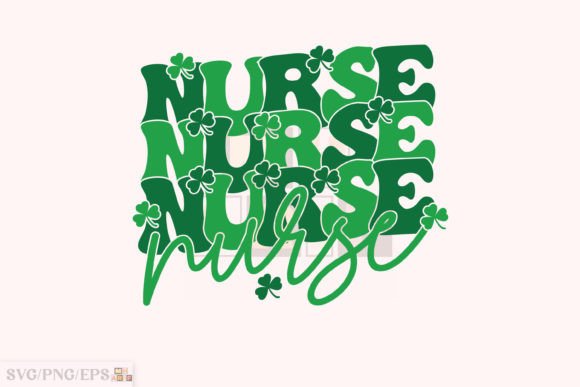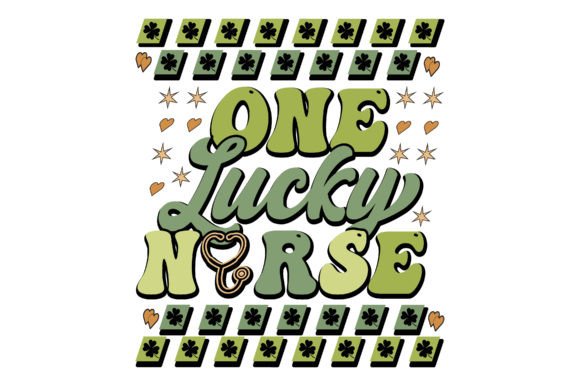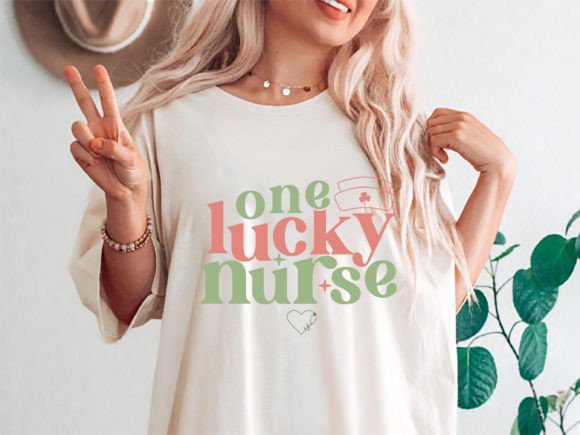
One Lucky Nurse St Patrick's Tee Review
As a designer who spends half my life digitizing and the other half stitching, I have learned to look past the glossy mockups. When I first pulled up the One Lucky Nurse St Patrick s T Shirt files, I wasn’t just looking for a cute graphic. I was looking for stitchability. I wanted to know if this design would hold up under the needle or if it would turn into a puckered mess on a client’s favorite sweatshirt. After spending a weekend testing this asset across various fabrics and hoop sizes, I have some practical insights for fellow embroidery designers, Etsy sellers, and crafters.
First Impressions: Mood and Layout
The immediate vibe of this design is playful yet professional. It captures that specific niche intersection of healthcare pride and holiday fun without feeling cluttered. For those of us creating T-Shirt Designs and Graphics, layout is everything. The text-to-icon ratio here feels balanced. The shamrock elements provide a nice organic counterpoint to the structured typography. From a visual personality standpoint, it feels approachable. It is not overly dense, which is a relief. Dense designs are the enemy of comfortable apparel, especially on stretchy cotton blends common in nurse scrubs and casual tees.
When I imagine this as a finished product, it doesn’t scream "cheap souvenir." Instead, it looks like something a boutique shop might sell during the spring season. The clean lines suggest that it will translate well into both machine embroidery design formats and print-on-demand assets. However, since we are focusing on embroidery, the clarity of the shapes is what matters most. Are the curves smooth? Will the satin stitches bridge cleanly? These are the questions that determine whether a customer keeps the item or returns it.
Real-World Application: Beyond the T-Shirt
While the title specifies a t-shirt, limiting this design to only one garment type would be a missed opportunity. I tested this concept on a heavy-weight canvas tote bag, and the result was striking. The boldness of the design stood out against the textured fabric, making it an excellent tote bag design for hospital staff carrying their lunch or books. The contrast between the thread and the canvas gave it a premium, handmade feel.
I also experimented with sweatshirt embroidery. Placing the design on the left chest of a heather grey crewneck created a subtle, professional look suitable for work. However, when I scaled it up for the back of a hoodie, the details remained crisp. This versatility is crucial for craft business owners who need to maximize their inventory from a single digital embroidery file. You can offer this as a personalized gift for a nursing student, a retirement present for a seasoned RN, or a fun team uniform for a clinic’s St. Patrick’s Day party.
For those interested in smaller items, consider embroidered patch creation. By using a tear-away stabilizer and cutting close to the stitch line, you can create iron-on patches that nurses can attach to their scrub caps or bags. This adds value and allows customers to customize their gear without committing to a full garment embroidery.
Technical Considerations and Stitching Challenges
Let’s talk about the technical side. Every embroidery project has its pitfalls. With this design, the primary concern is stitch density on thin fabrics. If you are stitching this onto a lightweight tri-blend tee, you must use a high-quality cut-away stabilizer. Without it, the weight of the thread may cause the fabric to pucker around the letters. I recommend running a test stitch on scrap fabric first. Check how the satin stitch handles the curves of the shamrock. If your machine tends to pull, you might need to adjust the tension or add underlay stitches if you are editing the file yourself.
Another critical factor is the hoop size. Ensure your design fits comfortably within your hoop with enough margin for the frame to grip the fabric securely. If you are working on curved surfaces like caps, the design’s width becomes a constraint. A wide design can distort on a small cap panel. In such cases, consider resizing or simplifying the element placement. Always check the thread colors against your fabric. Green threads on dark navy scrubs might get lost. Use a lighter green or add a white backing stitch to make the design pop.
Be cautious with tiny lettering if you scale the design down for baby embroidery on onesies. Small text can become illegible if the stitch count is too low or the needle is too thick. For infant items, I suggest enlarging the design slightly or removing the smallest decorative elements to ensure clarity and comfort against sensitive skin.
Commercial Viability and Brand Consistency
For Etsy sellers and small shop owners, this design offers strong commercial potential. It taps into two evergreen markets: healthcare appreciation and seasonal holidays. When listing this as a custom apparel item, highlight the quality of the stitch work in your photos. Close-up shots of the texture build trust. Buyers want to see that the threads are neat and the backing is clean.
Using this as part of your design assets library allows you to create cohesive collections. Pair it with other medical-themed designs for a "Nurse Life" series. This consistency helps in branding your shop. Customers who buy one item are likely to return for more if they recognize your style. Additionally, creating printable mockups with this design can help visualize the final product for online listings, boosting buyer engagement before they even place an order.
Final Designer Notes
Before you launch this into production, remember to verify the licensing terms. The product description mentions SVG, PNG, EPS, and AI formats, which suggests it is primarily a vector graphic bundle. If you are converting these vectors into an applique design or a complex fill stitch pattern, ensure you have the right to sell the finished embroidered items. Always confirm whether the license covers commercial use for physical goods.
Test the design on both light and dark fabrics to determine the best thread palette. A running stitch outline might help define edges on darker materials. Inspect the corners of the letters for any loose threads or jumps that need trimming. A clean finished product reflects professionalism. Whether you are making a holiday embroidery gift for a friend or stocking your boutique with small shop products, attention to detail separates the amateurs from the pros. This design has the potential to be a staple in your spring catalog if handled with care and technical precision.